

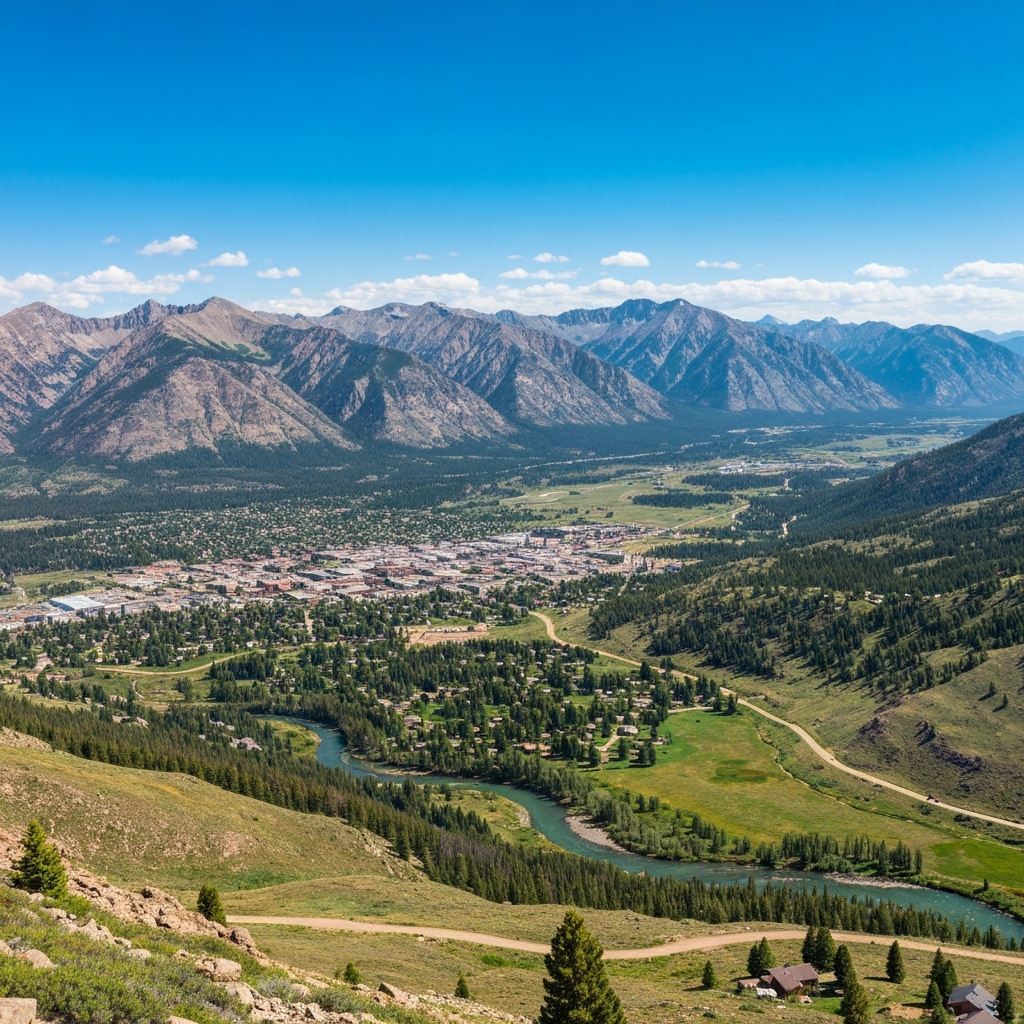
Granby, Colorado, nestled at an elevation of approximately 7,935 feet, experiences a diverse climate characterized by distinct seasonal variations. Understanding these patterns is essential for residents and visitors alike.
Seasonal Temperature Variations
Granby’s climate features significant temperature fluctuations throughout the year. Winters are notably cold, with average high temperatures in December around 24.6°F (-4.1°C) and lows near 5°F (-15°C). In contrast, summers are mild, with July—the warmest month—averaging highs of 72.3°F (22.4°C) and lows of 43.7°F (6.5°C). These variations highlight the need for appropriate seasonal preparations.
Precipitation and Snowfall
Precipitation in Granby varies by season. May typically sees the highest rainfall, averaging 1.73 inches (44mm) over approximately 12.8 days. Snowfall is a significant aspect of Granby’s climate, with annual totals exceeding 128 inches. This substantial snowfall contributes to the region’s appeal for winter sports enthusiasts.
Growing Season and Frost Dates
The growing season in Granby is relatively short due to its high elevation and cooler temperatures. It generally spans from early June to mid-September, lasting about 105 days. The average last frost date occurs between June 1 and June 10, while the first frost typically appears between August 21 and August 31. Gardeners and farmers should plan accordingly to optimize their planting schedules.
Environmental Considerations
Granby’s environment is influenced by its climate and geographical features. The area is prone to wildfires, as evidenced by the East Troublesome Fire in 2020, which significantly impacted local forests and communities. Residents are encouraged to stay informed about fire safety measures and adhere to guidelines provided by local authorities.
Additionally, water quality is a consideration for the community. While the town’s tap water complies with federal health-based standards, certain contaminants have been detected at levels exceeding some health guidelines. Staying informed about water quality reports and utilizing appropriate filtration methods can help ensure safe drinking water.
By understanding Granby’s unique climate and environmental factors, residents and visitors can better appreciate and adapt to the conditions that define our mountain town.