

By Emma Johnson
Worsening Food Insecurity Worldwide
Global food crises remain alarmingly widespread. In 2025, roughly 266 million people—nearly a quarter of those in crisis-affected areas—suffered acute food insecurity and malnutrition. Two famines were confirmed that year, in regions of Gaza and Sudan, and experts warn their effects will likely persist into 2026.
Major Drivers Behind the Crisis
Conflict and Political Instability
Most of those facing severe food shortages live in areas affected by ongoing conflict. Violence disrupts farming, supply chains, and access to markets, which worsens hunger especially for displaced communities.
Climate Extremes and Weather Disruption
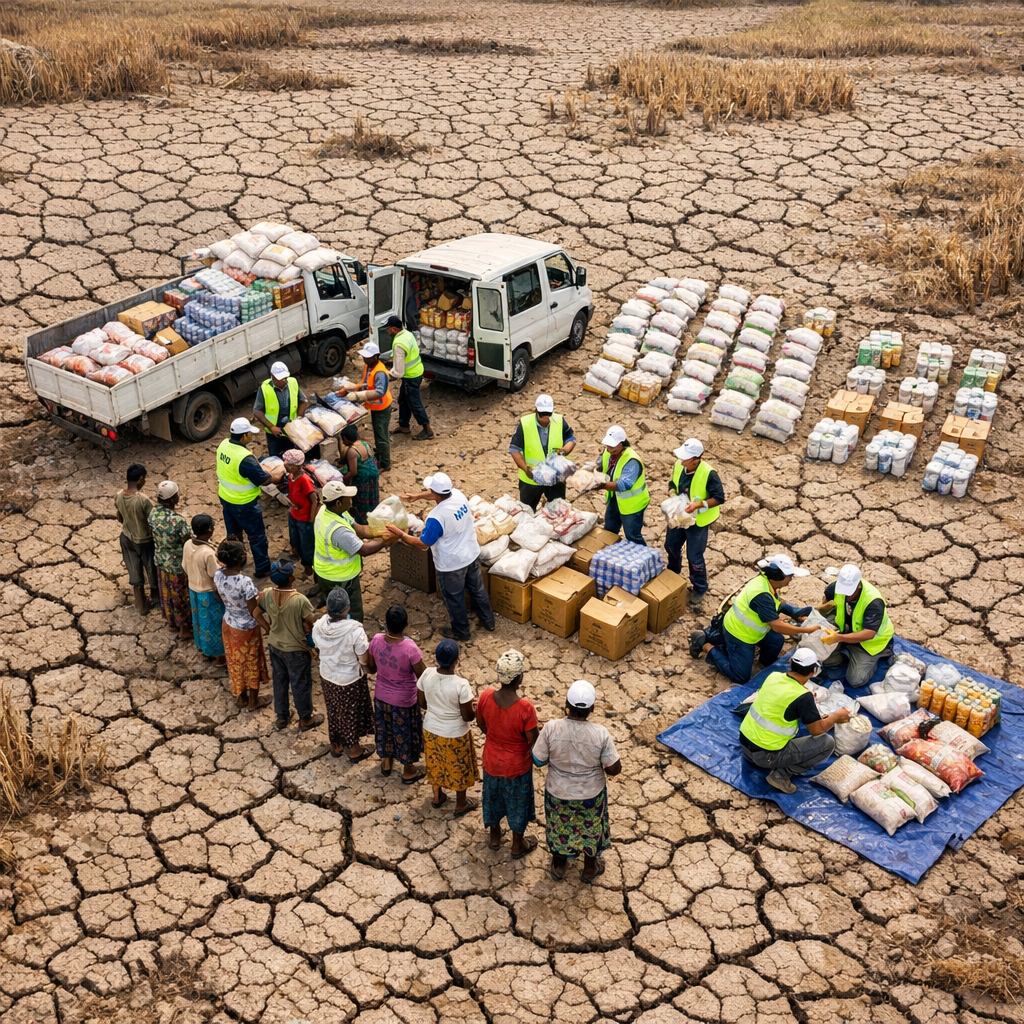
Weather-related shocks—droughts, floods, unpredictable rainfall—have damaged crops and undermined agricultural productivity. These challenges are increasing where farming systems lack resilience or investment in adaptation.
High Prices and Low Affordability
Food inflation has surged in many low- and middle-income countries, driven in part by rising costs for fuel, fertilizers, and transportation. Even where food is available, many households struggle to afford a nutritious diet.
Global Progress: Fragile Gains, Uneven Recovery
There has been modest improvement in global hunger figures. The percentage of the global population facing chronic undernourishment dropped slightly and food insecurity eased in some regions. But progress is fragile. Sub-Saharan Africa and Western Asia continue to see worsening conditions under prolonged stress. Meanwhile, reductions in humanitarian funding and pressures on aid systems threaten these gains.
Steps Being Taken and Challenges Ahead
International agencies, local governments, and NGOs are coordinating responses including emergency food assistance, social protection programs, and resilience-building in agricultural systems. There’s increasing focus on climate-smart farming, diversifying crops, and reducing dependency on imports of staples and fertilizers.
But challenges remain substantial: funding gaps are growing, data systems for forecasting and early warning are strained, and disruptions—like those in major shipping routes—threaten global supply.
What This Means for the World Moving Forward
If current trends continue, ending hunger by 2030—one of the United Nations’ Sustainable Development Goals—will be out of reach. The situation underscores the need for large-scale cooperation, durable peacebuilding, climate adaptation, and investments into local food sovereignty. In other words: a global hunger crisis already unfolding demands urgent, sustained action.