

By Emma Johnson
Rising Hunger and Food Insecurity
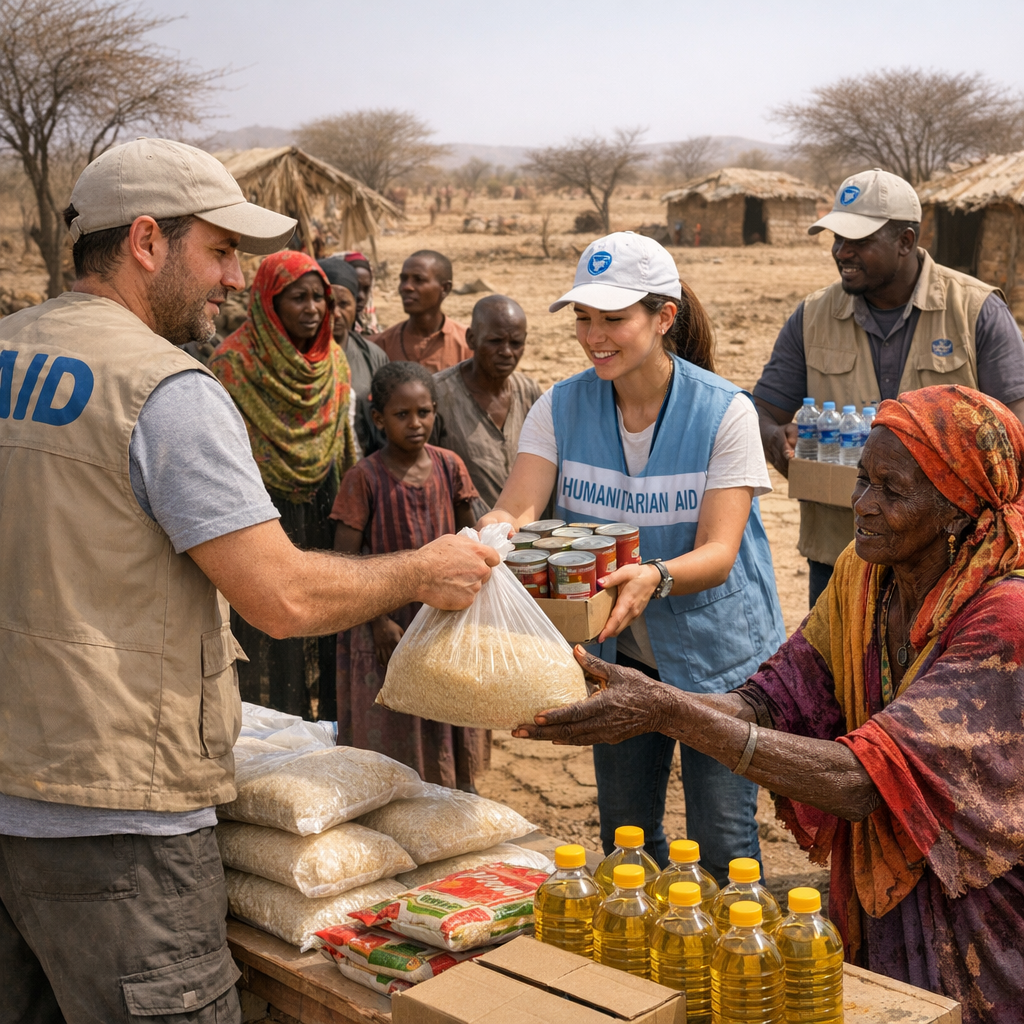
Around 318 million people globally face crisis-level hunger or worse in 2026—numbers that have increased due to conflicts in regions like the Middle East, climate shocks, and economic instability. Acute food insecurity has doubled over the past decade in many affected areas, with concerns that multiple countries are perilously close to famine.
Hotspots and Challenges
Ten countries—among them Afghanistan, Nigeria, Sudan, Yemen, and South Sudan—currently account for two-thirds of those facing severe hunger. These nations are grappling with a combination of armed conflict, fragile institutions, disrupted food supply chains, and climate extremes.
Climate Change: A Threat Multiplier
Recent reports confirm the world is now unlikely to limit warming to 1.5 °C above pre-industrial levels. Even under the most ambitious policies, temperatures may still peak around 1.8 °C by mid-century, and current plans point toward ~2.6 °C by 2100. Heatwaves, droughts, and shifting rainfall patterns are increasingly threatening food production and water security.
Integrating Development and Climate Action
The World Bank’s new Country Climate and Development Reports (CCDRs) offers pathways for nations to align climate goals with economic development. The reports find that low-emission growth can often support, rather than hinder, poverty reduction—if financing, governance, and nature-based solutions are part of the strategy. Addressing deforestation for example could reduce global emissions significantly while restoring ecosystems.
Tech Diplomacy and Global Cooperation
As technologies like AI, digital infrastructure, and clean energy grow in strategic importance, diplomacy is evolving. Tech diplomacy—the negotiation of rules, investment deals, and norms around emerging tech—is now central to how countries secure influence and protect interests. Governments are seeking agreements on regulation, infrastructure investment, and tech equity.
Opportunities Amid Fragmentation
Emerging economies are increasingly navigating between regulatory frameworks, foreign investment, and strategic alliances. Tech diplomacy forums are now convening to address gaps in governance, build trust across regions, and manage risks related to privacy, security, and competitiveness. These efforts, if inclusive, may help build resilience in the face of growing global challenges.
What the World Needs Now
- Substantial increases in humanitarian and development aid, especially to countries in acute crisis.
- Accelerated investment in climate change adaptation and nature-based solutions.
- Expanded support for tech diplomacy initiatives that promote fairness, equity, and sustainability.
- Policies that link food security, climate resilience, and economic development rather than treating them in isolation.
Global hunger, climate risk, and digital power are no longer separate challenges—they are tightly interwoven. As Granby and Colorado look outward, the choices made on world stages will ripple here at home. As we witness a world in urgent transition, international cooperation and leadership matter more than ever.