

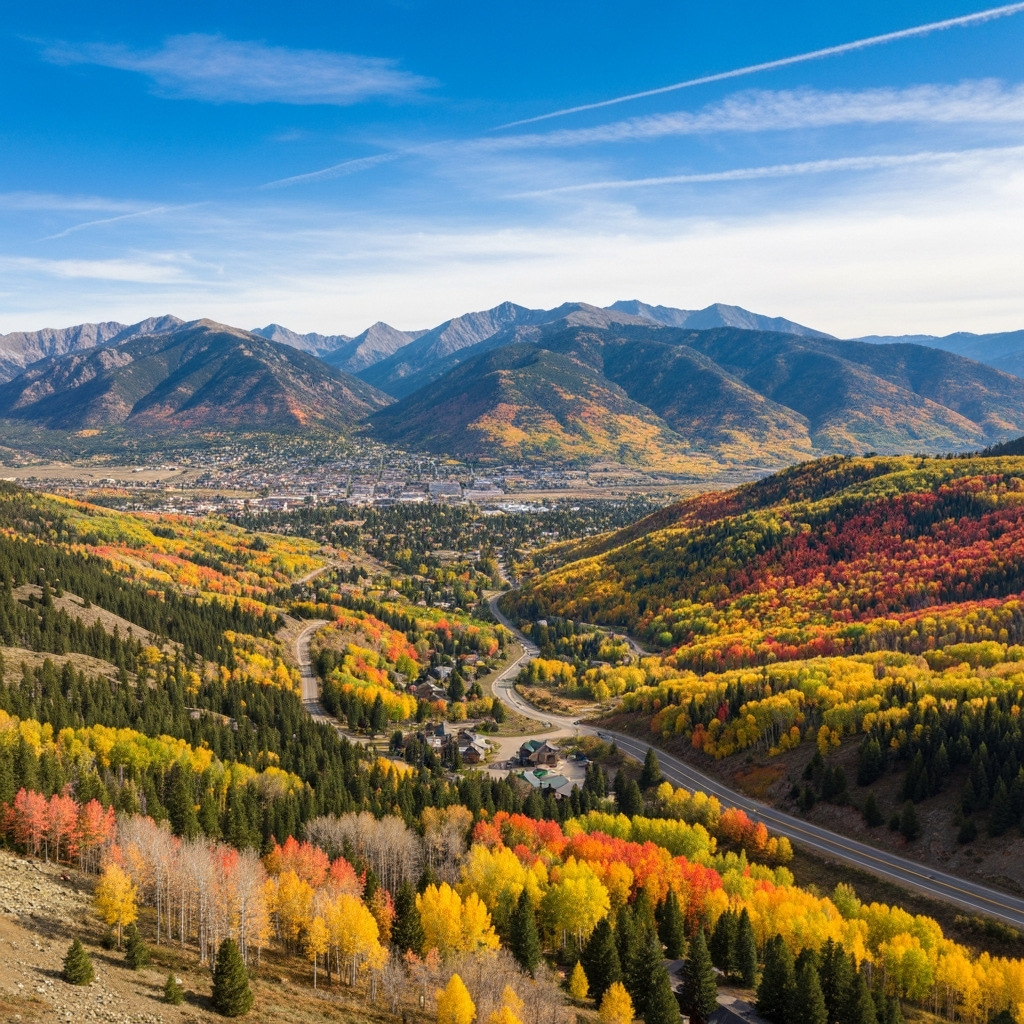
Granby, Colorado, nestled at an elevation of 7,935 feet in the Fraser River valley, experiences a diverse climate characterized by distinct seasonal variations. Understanding these patterns is essential for residents and visitors alike.
Seasonal Temperature Variations
Granby’s climate features warm summers and cold winters. The warm season spans approximately 3.4 months, from early June to mid-September, with average daily high temperatures exceeding 68°F. July stands as the warmest month, boasting an average high of 77°F and a low of 47°F. Conversely, the cold season also lasts about 3.4 months, from late November to early March, with average daily highs below 39°F. December is typically the coldest month, with an average low of 3.3°F and a high of 29.6°F.
Precipitation and Snowfall
Granby receives an average annual precipitation of approximately 13.21 inches. May is the wettest month, averaging 1.55 inches of precipitation, while June is the driest, with about 1.09 inches. Snowfall is significant during the winter months, contributing to the region’s appeal for winter sports enthusiasts.
Environmental Considerations
Granby’s environment is influenced by its high-altitude location and proximity to the Colorado River. The Windy Gap Reservoir, situated near Granby, diverts nearly 50,000 acre-feet of water annually to the Front Range. This reservoir, completed in 1985, has been a focal point of environmental discussions due to its impact on local ecosystems.
Additionally, the town’s water supply has been under scrutiny. Between 2018 and 2023, eight contaminants were detected in Granby’s tap water that exceeded the Environmental Working Group’s health guidelines. While the water met federal standards, these findings highlight the importance of ongoing water quality monitoring.
Understanding Granby’s climate and environmental factors is crucial for making informed decisions about daily activities, resource management, and community planning. Staying informed helps residents and visitors alike to appreciate and adapt to the unique conditions of our region.